
Silicone rubber flexible wire represents one of the most versatile and durable electrical connection solutions available today. With exceptional temperature resistance, flexibility, and longevity, these specialized cables have become indispensable across numerous industries. This comprehensive guide explores everything you need to know about silicone rubber flexible wire, from its unique properties to practical applications and selection criteria.
What is Silicone Rubber Flexible Wire?
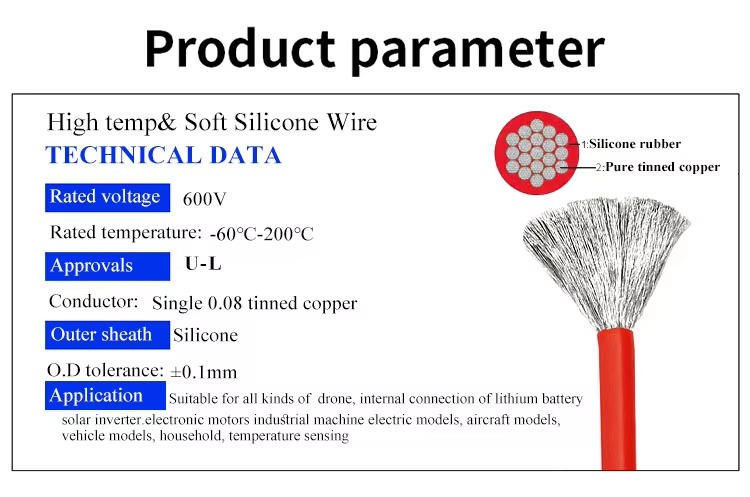
Silicone rubber flexible wire consists of stranded copper or tinned copper conductors surrounded by a high-grade silicone rubber insulation. Unlike standard PVC-insulated cables, silicone rubber flexible wire maintains its physical properties across extreme temperature ranges, typically from -60°C to +200°C (-76°F to +392°F).
The molecular structure of silicone rubber (polysiloxane) provides superior flexibility even at low temperatures while resisting hardening, cracking, and degradation at high temperatures. This unique composition makes silicone-insulated wire ideal for applications where standard cables would quickly fail.
Key Properties and Advantages
Extreme Temperature Resistance
Silicone rubber flexible wire outperforms conventional cables in temperature extremes. While PVC insulation typically withstands temperatures between -20°C to +105°C, silicone rubber variants function reliably from -60°C to +200°C, with specialty formulations reaching +300°C for short durations.
Exceptional Flexibility and Bend Radius
With a typical bend radius of just 3× the cable diameter (compared to 8-10× for standard cables), silicone rubber wire maintains signal integrity even through repeated flexing. This property makes it perfect for robotics, moving machinery parts, and applications requiring constant motion.
Chemical and Environmental Resistance
Silicone rubber provides excellent resistance to:
- Ozone and UV radiation
- Moisture and humidity
- Many acids, alkalis, and solvents
- Aging and weathering
Electrical Performance
Silicone rubber flexible wires offer:
- High dielectric strength (typically 15-20 kV/mm)
- Low electrical conductivity
- Stable performance across wide temperature ranges
- Excellent arc resistance
Safety Characteristics
- Low smoke emission when exposed to flame
- Self-extinguishing properties (meets UL 94 V-0, V-1, or V-2 ratings)
- No halogen content (unlike PVC alternatives)
- Minimal toxic fume production during combustion
Common Applications of Silicone Rubber Flexible Wire
Industrial Automation and Robotics
The flexibility and durability of silicone rubber wire make it ideal for robotic arms, CNC machines, and automated production lines where cables undergo constant movement and flexing.
Medical Equipment
Medical devices frequently rely on silicone rubber flexible wire due to:
- Biocompatibility
- Sterilization resistance (autoclave, gamma radiation, EtO)
- Flexibility for portable and handheld devices
- Reliability for critical applications
Aerospace and Aviation
Aircraft wiring systems leverage silicone rubber cables for their:
- Lightweight properties
- Resistance to aviation fuels and hydraulic fluids
- Performance stability at high altitudes and temperature variations
- Fire safety characteristics
Renewable Energy Systems
Solar inverters, wind turbine controls, and battery management systems benefit from silicone wire’s:
- UV resistance for outdoor exposure
- Temperature cycling durability
- Long operational life with minimal degradation
High-Temperature Industrial Processes
Furnaces, industrial heating elements, glass and metal processing equipment use silicone rubber wire where conventional cables would melt or degrade.
Consumer Electronics and Appliances
Premium kitchen appliances, hair styling tools, and high-end audio equipment often incorporate silicone rubber flexible wire for enhanced safety and longevity.
Technical Specifications to Consider When Selecting Silicone Rubber Wire
Conductor Options
- Bare Copper: Best conductivity, economical choice
- Tinned Copper: Enhanced corrosion resistance, easier soldering
- Silver-Plated Copper: Highest conductivity, excellent high-frequency performance
- Stranding Configuration: More strands = greater flexibility (e.g., 19/36 vs. 7/30)
Insulation Thickness
Standard wall thicknesses range from thin-wall (0.4mm) to heavy-duty (1.2mm+), affecting flexibility, voltage rating, and abrasion resistance.
Voltage Ratings
Common ratings include:
- 300V for light-duty applications
- 600V for industrial equipment
- 1kV-5kV for specialized high-voltage applications
Approvals and Certifications
Look for relevant certifications based on your application:
- UL 3239, UL 3536, UL 1015, UL 1007
- CSA, VDE, CE
- MIL-W-16878 (military specifications)
- RoHS and REACH compliance
Color Options
Silicone rubber wire comes in various colors for circuit identification:
- Standard colors: Red, black, white, green, blue, yellow
- Specialty colors available for custom applications
- Striped or multi-color options for complex wiring systems
Silicone Rubber Wire vs. Alternative Insulation Types
| Property | Silicone Rubber | PVC | Teflon (PTFE) | EPDM |
|---|---|---|---|---|
| Temp Range (°C) | -60 to +200 | -20 to +105 | -70 to +260 | -50 to +150 |
| Flexibility | Excellent | Good | Stiff | Good |
| Chemical Resistance | Good | Fair | Excellent | Very Good |
| Cost | Moderate-High | Low | Very High | Moderate |
| Flame Resistance | Excellent | Good | Excellent | Good |
| Environmental Impact | Low toxicity | Contains halogens | Low toxicity | Low toxicity |
Installation Best Practices for Maximum Performance
- Proper Stripping Technique: Use specialized wire strippers designed for silicone insulation to avoid nicking conductors. The insulation tends to be “gummier” than PVC.
- Termination Methods: Crimp connections are preferred over soldering when possible. If soldering is necessary, use heat sinks to prevent insulation damage from excessive heat.
- Strain Relief: Implement proper strain relief at connection points to prevent conductor breakage from repeated flexing.
- Routing Considerations: Avoid sharp edges and pinch points. Use smooth-radius cable guides for dynamic applications.
- Temperature Management: While silicone rubber handles high temperatures well, consider derating conductors in continuously high-heat environments.
Maintenance and Expected Lifespan
Silicone rubber flexible wire typically offers 15-20 years of service life under normal operating conditions. Factors affecting longevity include:
- Continuous operating temperature
- Flex cycles (in dynamic applications)
- Exposure to chemicals and solvents
- UV radiation exposure (outdoor applications)
- Proper installation and strain management
Visual inspection for cracking, hardening, or discoloration can identify aging cables before failure occurs.
Frequently Asked Questions
Q: Is silicone rubber wire more expensive than standard PVC wire?
A: Yes, silicone rubber flexible wire typically costs 2-3 times more than equivalent PVC-insulated wire. However, its extended service life and performance in extreme conditions often result in lower total cost of ownership for demanding applications.
Q: Can silicone rubber wire be submerged in water or oil?
A: Standard silicone rubber has good water resistance but isn’t designed for continuous submersion. For underwater applications, look for specifically rated marine-grade silicone cables. Most silicone wires handle occasional oil exposure well but can degrade with continuous immersion in petroleum-based oils.
Q: How do I repair damaged silicone rubber insulation?
A: For minor damage, high-temperature silicone tape or heat shrink tubing rated for high temperatures can be used. For significant damage, replacing the cable section is recommended as silicone doesn’t bond well with standard adhesives.
Q: Are there environmental concerns with silicone rubber wire disposal?
A: Silicone rubber is more environmentally friendly than PVC as it contains no halogens and produces less toxic fumes when incinerated. However, it’s not biodegradable. Many manufacturers offer recycling programs for silicone cable waste.
Q: What’s the difference between silicone rubber and silicon rubber?
A: This is a common confusion. “Silicon” refers to the chemical element (Si), while “silicone” refers to polymers containing silicon, oxygen, carbon, and hydrogen. The correct term for wire insulation is “silicone rubber.”